


The Iceberg of Software Costs: How LCAP Protects Your Bottom Line
Most software costs are hidden below the surface. Learn how LCAP eliminates technical debt, reduces risk, and accelerates enterprise agility to protect your bottom line.
Jan 15 ,2026 - min readWhen executives approve budgets for new internal systems, the focus is usually on the visible cost: the initial build. But in reality, this is only the tip of the iceberg.
The hidden 80 percent of total software cost lies below the surface: maintenance, upgrades, bug fixes, integrations, refactoring, and rearchitecting.
This is where traditional custom coded systems quietly drain budgets year after year.
Enterprise Low Code Application Platforms (LCAP) change this financial equation entirely. They do not simply reduce development time. They eliminate the biggest hidden costs that enterprise leaders rarely see until it is too late.
Below are the three most significant financial and operational advantages that LCAP brings, and why it is becoming a strategic choice for enterprise technology leaders.
Benefit 1: Zero Technical Debt
Every custom coded system ages the moment it goes live.
Security standards evolve. Browsers update. Frameworks become deprecated. Engineers leave. Documentation gets outdated. Over time, the system becomes fragile, expensive, and risky to maintain.
This accumulated burden is known as technical debt, and it often becomes more expensive than building the system in the first place.
How LCAP solves it:
LCAP vendors carry the responsibility for maintaining and upgrading the core platform.
- When new security protocols appear, the platform updates automatically.
- When browsers change, compatibility updates roll out seamlessly.
- When infrastructure evolves, the platform adjusts without requiring your IT team to rewrite code.
Financial value:
Your system stays current, secure, and reliable without spending additional budget on rewriting legacy components.

Benefit 2: Eliminating Key Person Risk
One of the most dangerous hidden costs in enterprise software is dependency on a single developer or small internal team.
The pattern is familiar:
- Only one engineer understands how the workflow engine works.
- Only one architect knows how the approval logic was coded.
- Only one contractor can safely update the reporting module.
If any of these individuals leave, the entire system becomes a black box. Enhancements slow down. Bugs multiply. And the organization loses control.
How LCAP solves it:
LCAP replaces opaque custom code with transparent visual modeling.
Workflows, data structures, and logic are expressed in diagrams, rules, and configurations that any trained analyst or developer can understand.
Operational value:
Your process belongs to the business, not to a specific person.
You never get locked into the knowledge of a single engineer or vendor.

Benefit 3: Agility Converts Directly Into Money
Opportunity cost is one of the most expensive and invisible drains on enterprise performance.
Imagine your commercial team needs to adjust discount approval rules for a time sensitive campaign. Under traditional development, IT might need two weeks to update logic, run test cycles, and deploy.
By then, the window of opportunity is gone.
How LCAP solves it:
LCAP allows teams to modify workflows, add data fields, or adjust routing logic with configuration level changes.
No deep code rewrite. No long QA cycles. No multi week delay.
A two week change becomes a two hour update.
Strategic value:
Your operational systems can move at the same speed as your market strategy.
Agility is not a feature. It is revenue.
The Bottom Line: Invest in Assets, Not Liabilities
Here is the real distinction:
Traditional software development
You pay to build a machine and then pay endlessly to repair, patch, and maintain it. The long term cost is unpredictable and often much higher than expected.
Enterprise LCAP
You subscribe to a modern operational engine where maintenance, upgrades, and security are the responsibility of the platform vendor. Your IT team focuses on business logic instead of infrastructure upkeep.
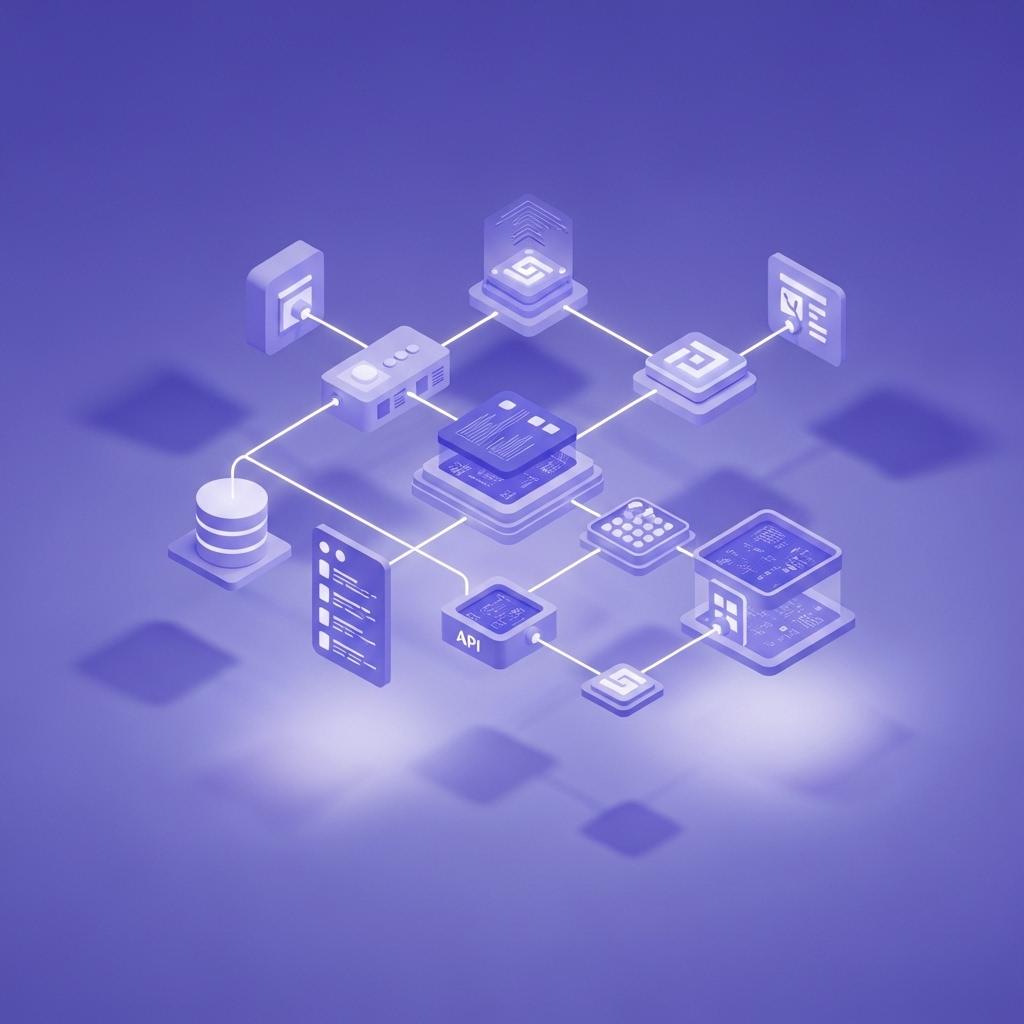
Shifting to LCAP is not just a technical decision. It is a financial decision that protects enterprises from the hidden 80 percent of software lifecycle costs. For leaders focused on speed, stability, and ROI, LCAP is no longer optional. It is the foundation for sustainable digital operations.


